
One last Hoorah
Looking back on my time in Core 456, I can’t help but be amazed at how much digital technology has shaped our world. This class took me through the fascinating (and sometimes bewildering) evolution of digitization. Through each blog entry, discussion, and lesson, I gained a new appreciation for how far we’ve come—and how much we rely on ones and zeros to keep things running smoothly (or, you know, mostly smoothly).
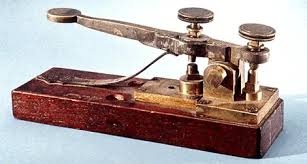
We kicked off the course with the telegraph, the 19th-century equivalent of texting—but way slower, and with far fewer emojis. Imagine tapping out your thoughts in Morse code and waiting hours for a reply. And we complain about bad Wi-Fi! The telegraph revolutionized communication, even if it did make “conversation” a bit more labor-intensive.
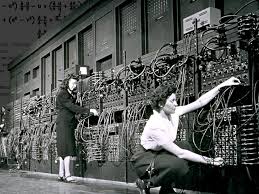
From there, we traced the evolution of digital technology, diving into the world of early computers. There was the ENIAC, a machine so big it probably needed its own zip code. Now, we have computers in our pockets that can do a million times more—and yet, we mostly use them to send memes and watch TikToks. Progress!
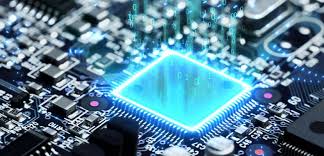
One of the things I really enjoyed was learning about the development of microprocessors. These tiny pieces of silicon magic made computers smaller, faster, and cheaper, paving the way for all the smart devices we use today. It’s wild to think that a device smaller than a postage stamp can run entire systems, while I sometimes struggle to run my own brain before coffee. The internet, of course, was another game-changer. We went from mailing letters to sending instant messages, video calls, and, let’s be honest, a lot of questionable Google searches. The world is now hyper-connected, which is mostly great, except for when you fall into a rabbit hole of conspiracy theories at 2 a.m. Throughout the course, each blog entry helped me reflect on how these technologies impact our lives in ways both big and small. The discussions made me think about the power—and the responsibility—engineers have in shaping the digital world.
One thing that really stuck with me was the importance of accessibility. Technology has brought incredible opportunities, but not everyone gets to benefit equally. Whether it’s due to location, resources, or infrastructure, the digital divide is a real challenge. As future engineers, it’s on us to make sure we’re creating solutions that include everyone—not just those with the fastest internet or the newest gadgets. What I loved most about Core 456 was realizing that behind every digital breakthrough are people who asked, “What if?” and then turned that curiosity into reality. The course reminded me that technology is about more than just circuits and code; it’s about solving problems and connecting people.
As I move forward in my engineering journey, I’ll carry these lessons with me. The digital world is only going to get more complex (and probably more confusing), but I’m excited to be part of it. And who knows? Maybe one day I’ll invent something that future students will laugh about in their own reflections.
One thing that really stuck with me was the importance of accessibility. Technology has brought incredible opportunities, but not everyone gets to benefit equally. Whether it’s due to location, resources, or infrastructure, the digital divide is a real challenge. As future engineers, it’s on us to make sure we’re creating solutions that include everyone—not just those with the fastest internet or the newest gadgets.
What I loved most about Core 456 was realizing that behind every digital breakthrough are people who asked, “What if?” and then turned that curiosity into reality. The course reminded me that technology is about more than just circuits and code; it’s about solving problems and connecting people.
As I move forward in my engineering journey, I’ll carry these lessons with me. The digital world is only going to get more complex (and probably more confusing), but I’m excited to be part of it. And who knows? Maybe one day I’ll invent something that future students will laugh about in their own reflections.