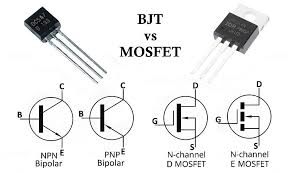
The advent of the transistor marked a pivotal shift in the digital age, fundamentally altering the landscape of electronics and technology. Before the transistor, vacuum tubes dominated the realm of amplification and switching, offering bulky and inefficient solutions to problems that transistors would later solve. Vacuum tubes, while revolutionary at the time, were massive, energy-hungry, and prone to failure. Their replacement by transistors in the mid-20th century was a watershed moment that catalyzed the development of modern computing. The transition from vacuum tubes to solid-state devices like transistors, particularly bipolar junction transistors (BJTs) and metal-oxide-semiconductor field-effect transistors (MOSFETs), not only made electronics smaller and more reliable but also set the stage for the exponential growth of digital technologies in the decades to come.
Bipolar junction transistors (BJTs) were among the first to gain widespread use, offering high amplification and fast switching. Their ability to modulate electrical currents efficiently made them ideal for early computing devices and amplification circuits. However, as digital technologies advanced, BJTs began to show their limitations, especially when it came to scalability and power efficiency. The introduction of MOSFETs in the late 1960s offered a breakthrough in semiconductor technology, providing lower power consumption, higher scalability, and better overall performance in integrated circuits. MOSFETs, with their ability to function as both amplifiers and switches, became the cornerstone of modern digital electronics. This shift from BJTs to MOSFETs epitomizes the evolution of transistor technology and its pivotal role in the digital age.
From an interdisciplinary perspective, the transition from vacuum tubes to transistors—and from BJTs to MOSFETs—has had profound implications across various fields. In electrical engineering, it revolutionized circuit design, making possible the creation of microprocessors, memory chips, and complex integrated systems. In computer science, the shrinking size and increasing power of transistors enabled the development of faster, more efficient computers, ultimately leading to the computing power that drives modern AI and data analysis. Meanwhile, in the fields of environmental science and sustainability, the power efficiency and reduced energy consumption of modern transistors, particularly MOSFETs, have contributed to reducing the environmental footprint of digital technologies, though the broader impact of electronic waste and resource consumption remains a pressing concern.
Despite these advancements, there remains a critique regarding the digital age’s reliance on ever-smaller, faster, and more complex transistors. The relentless miniaturization of transistors, driven by Moore’s Law, is reaching physical limits, with transistors nearing atomic scales. This raises significant challenges, including increased heat generation and the risk of quantum tunneling, where electrons can unpredictably jump between energy states. The potential of quantum computing as a new frontier in computation may offer a way forward, but it also presents significant interdisciplinary challenges in materials science, quantum physics, and computer engineering. As we reach the physical limits of transistor miniaturization, there is an emerging need for a paradigm shift in how we design and use technology.
In conclusion, while transistors—especially BJTs and MOSFETs—have been the linchpins of the digital age, transforming industries and reshaping society, their evolution brings with it a range of interdisciplinary challenges. As we look toward the future, the critique of transistor technology calls for a more nuanced consideration of its impacts. From the limits of miniaturization to the environmental consequences of digital proliferation, the journey from vacuum tubes to transistors offers both a testament to human ingenuity and a cautionary tale about the complexities of technological progress.
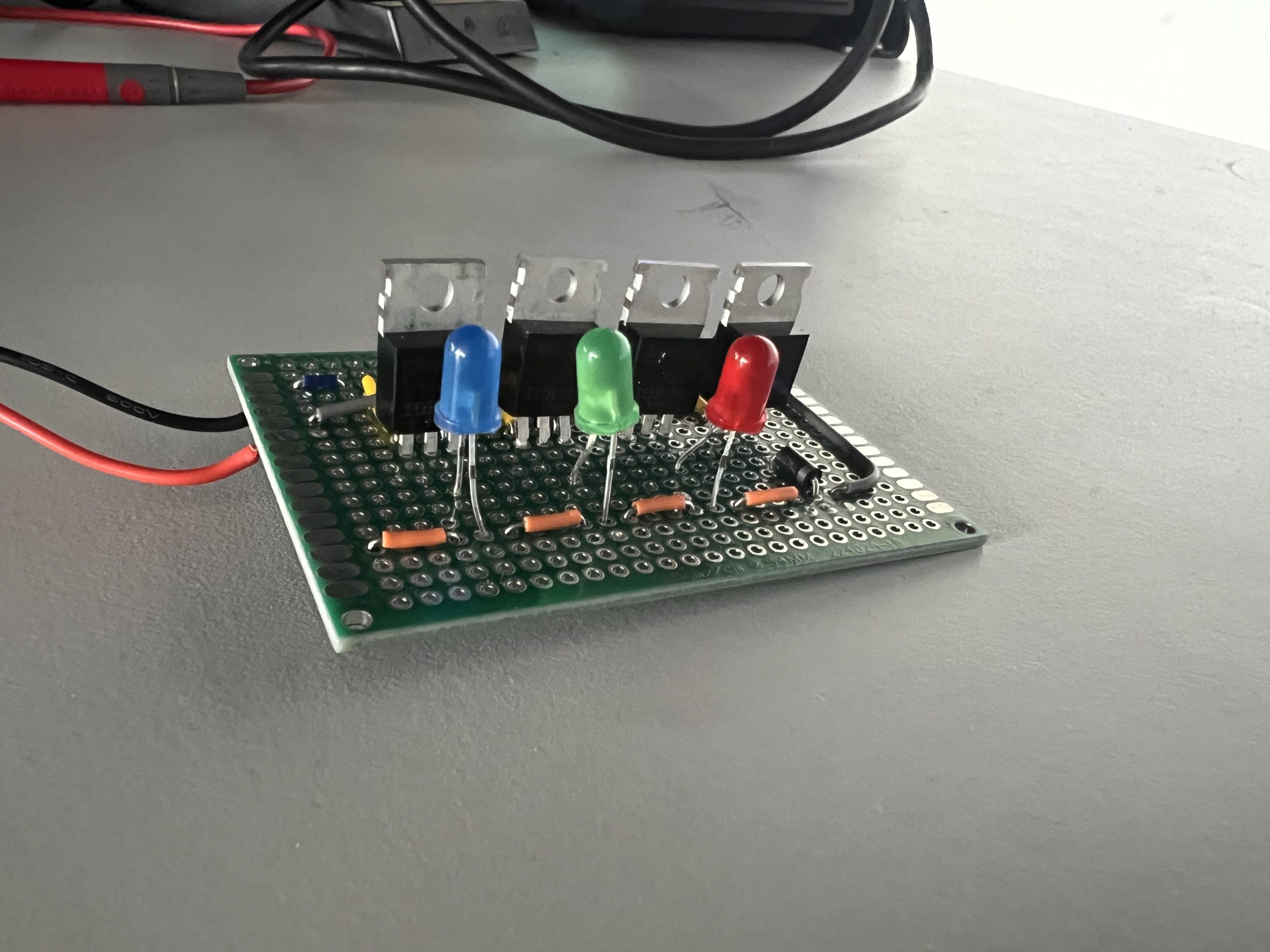
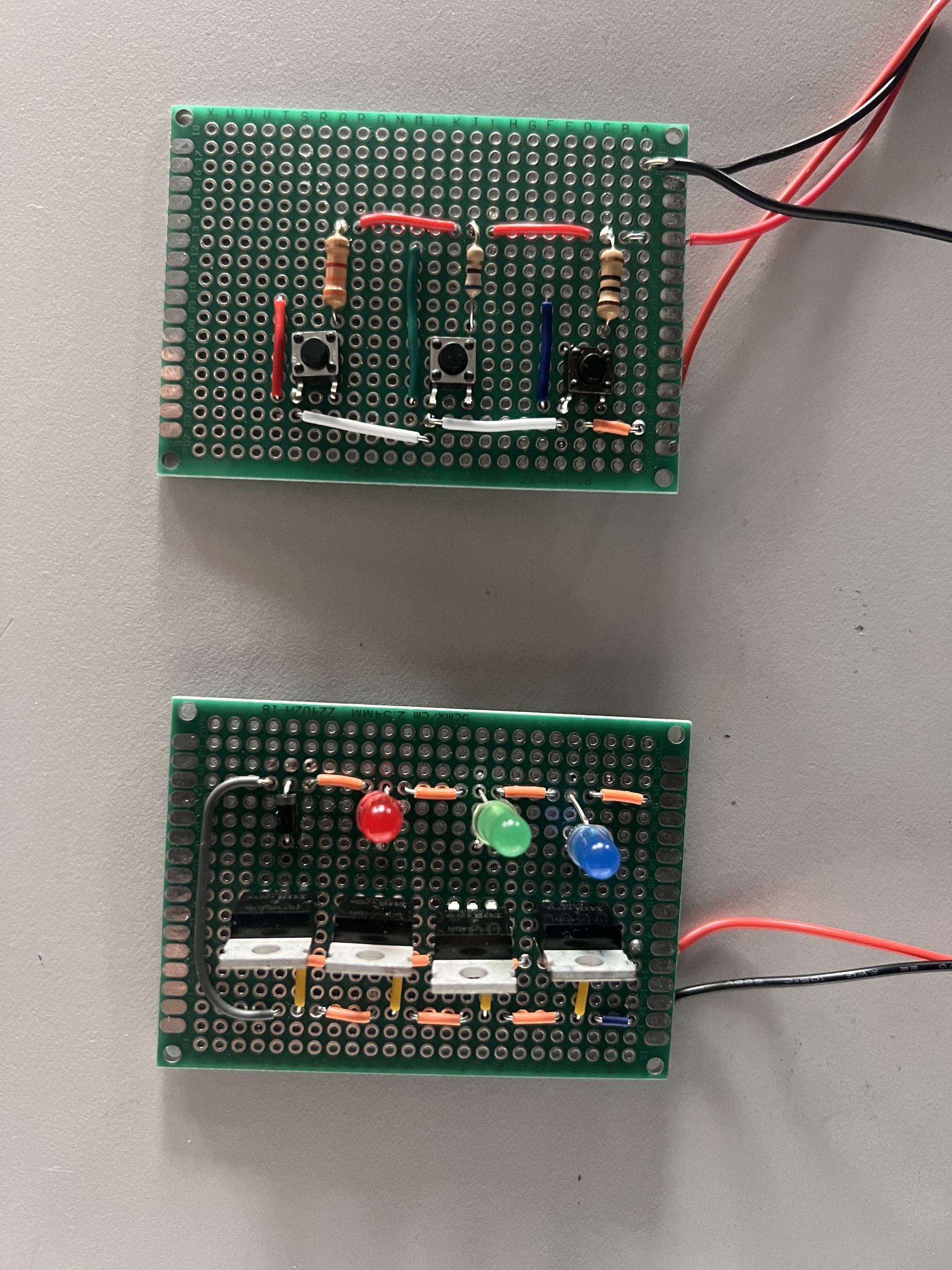
Project we did last semester that made us create a 2-wire communication system using only, transistors. We used 4 NPN transistors.